We inspect homes and buildings for termite activity and prepare reports; property size and report needs shape the typical $75–$200 fee. Spring storms can leave wet ground near Mississippi River State Park.
Why Cockroaches Appear After Dark—and When to Call a Pro
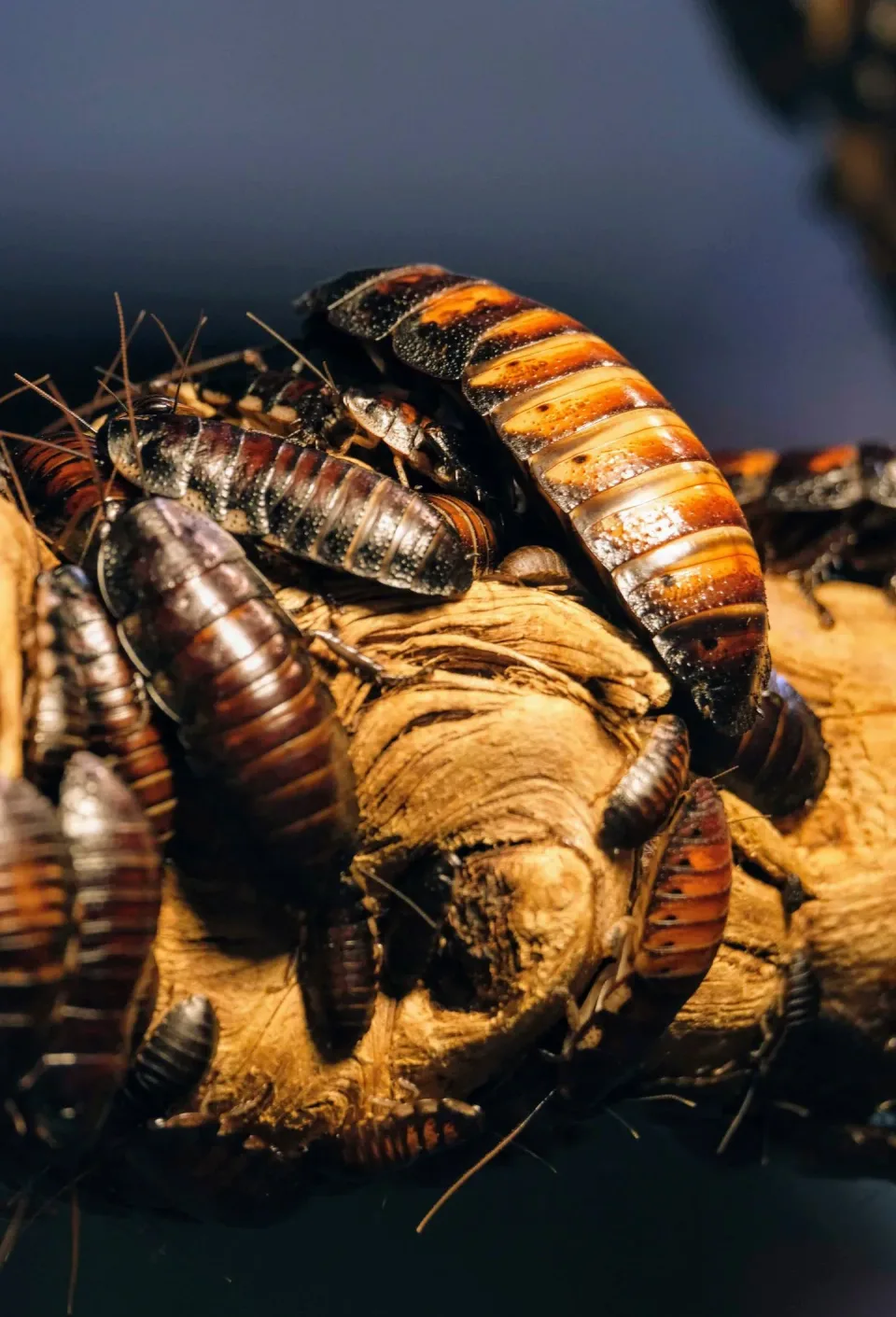
Why Roaches Wait Until Your Kitchen Lights Go Out
You flip on the kitchen light at 11 p.m. and roaches scatter behind the stove that midnight run is the clearest sign you have a breeding population, not a stray wanderer. Cockroaches are nocturnal by design: they hide in dark, humid cracks during the day and forage for food and water after dark, so daytime sightings usually mean the colony has outgrown its hiding spots.
Searching for a local exterminator near me at that point is smarter than reaching for another aerosol can, because sprays only kill the foragers you can see. Many homeowners tell us they just want to nip it in the bud before guests arrive or eggs hatch we get that, and an inspection is how you actually do it.
Arkansas Pest Pros starts with a careful look at the kitchen, bathroom, and any moisture sources before recommending a treatment plan.
Why Do Roaches Come Out Only at Night?
Flip a switch at midnight and watch the baseboards. That scramble tells you more about a roach problem than any daytime sighting ever will. Here is what our crew sees across Arkansas homes, from rental units near the University of Arkansas to family kitchens in Hot Springs.
Roaches are nocturnal foragers that avoid light and open floors while humans are active. They spend daylight hours pressed into wall voids, cabinet hinges, and the gap under the refrigerator, waiting for darkness, warmth, and quiet. Hot, humid summers increase indoor pest activity across Arkansas, and our humid subtropical climate gives German and American cockroaches exactly the moisture they need to multiply fast. When you see one in daylight, the population behind the walls has usually grown past what the cracks can hold that is the failure mode we run into most often.
What Are the Warning Signs You Should Not Ignore?
Droppings that look like coffee grounds along drawer tracks, egg casings (oothecae) behind appliances, a musty odor in closed cabinets, and smear marks on baseboards are the classic cockroach infestation signs. The step people skip is checking under the sink and behind the dishwasher that is where moisture meets food residue, and that is where colonies actually live.
Grease film on cabinet tops matters too; roaches feed on it after dark. If you are also finding droppings that look different, shaped more like rice grains, that could be a mouse problem instead, and our rodent removal page covers that trail.
When Should You DIY Versus Call a Professional?
A single roach in a guest bathroom after a grocery run? Clean up, seal the trash, and watch for a week.
Seeing roaches nightly, finding egg casings, or spotting them in multiple rooms means you are past the DIY line. Store-bought products give you limited access to the wall voids and hidden harborages where the colony breeds, while licensed applicators can use professional-use products and place them where roaches actually travel. We use a B&G electric pest-control sprayer for targeted crack-and-crevice applications that put material exactly into those gaps, and we offer reduced-chemical options when a situation suits them, including careful interior protection for homes with kids or pets.
What Does a Professional Visit Actually Look Like?
A proper cockroach treatment starts with inspection, not spraying. We confirm the species German roaches need a different strategy than American or Oriental roaches then map moisture sources, entry points, and harborage zones.
Some commercial accounts need a scheduled household protection or commercial pest management program with recurring visits, while a single-family kitchen might need one thorough treatment and a follow-up. Either way, preparation on your side matters: clearing baseboard access and pulling items from under the sink lets the material reach the seams where roaches hide, which is the difference between knockdown and elimination.
Which Treatment Approach Fits Your Roach Problem?
Different pest situations call for different tools, and the right one depends on what the inspection actually finds. A night of roach sightings calls for a very different response than termite mud tubes or a wasp nest under the eaves. Here is how the common options compare.
| Option | Best for | Key detail |
|---|---|---|
| Targeted crack-and-crevice applications | Roaches in kitchens and baths | Material goes into gaps roaches use, not open floors |
| Bed bug heat treatment | Whole-room bed bug infestations | Heats rooms, often to 120°F or higher |
| Bed bug insecticide treatment | Localized, accessible activity | Targeted applications rather than whole-room heat |
| Wood-destroying insect inspection | Suspected termites before purchase | Inspection identifies evidence; treatment applies the selected method |
| Mosquito barrier treatment | Yards with standing-water pressure | Perimeter applications reduce adult activity between visits |
Liquid termite work has its own rulebook the trench for a liquid treatment has label-specified dimensions, so the applicator follows the product label, not guesswork. Match the method to the evidence and you avoid paying for the wrong job.
How We Prep a Home for Cockroach Treatment
A roach treatment only works as well as the prep behind it. Northern Arkansas typically sees colder winter temperatures, which pushes roaches deeper into warm wall voids and kitchens, so good access matters even more in the cold months.
Attentive property care before the visit cleaning grease, fixing drips, emptying night trash makes the treatment hold longer. Here is the sequence we follow.
-
Confirm activity: We verify visible roach activity and conducive conditions room by room before anything is applied.
-
Send prep instructions: You get written treatment prep steps before the appointment, from emptying cabinets to covering food.
-
Protect pets and tanks: Secure pets and cover aquariums so airborne products never reach them.
-
Clear the baseboards: Move stored items away from walls so we can reach the seams where roaches harbor.
-
Flag sensitive spots: Identify wells, drains, and sensitive habitats so applications stay label-appropriate our crew works under OSHA Respiratory Protection Standard, 29 CFR 1910.134 where respirators are required.
-
Re-entry and follow-up: We schedule re-entry according to the product label and book a follow-up inspection when the plan calls for it.
Skipping step four is the most common reason treatments underperform.
FAQ Section
Why Do I Only See Cockroaches at Night and None During the Day?
Roaches are nocturnal foragers that hide in dark, humid cracks while your household is active, so night sightings are normal even with a large population. Seeing them in daylight is the bigger warning sign it usually means the colony has outgrown its hiding spots. Either way, a professional inspection can confirm how established the problem is.
How Much Does Cockroach Treatment Cost in Arkansas?
Cockroach treatment typically runs $100–$400 depending on the infestation level and the follow-up visits required. A heavy, multi-room infestation costs more than a single-kitchen problem because it needs more material and monitoring. We quote after inspecting so the number matches the actual work.
Can I Handle a Cockroach Infestation Myself with Store-Bought Sprays?
Yes, for a single stray roach but no for an established colony. DIY products give you limited access to the wall voids and cabinet gaps where roaches breed, while licensed applicators can apply professional-use products directly into those harborages. If you are seeing roaches nightly, calling Arkansas Pest Pros is the faster path to elimination.
Are the Products Used for Roach Control in Arkansas Homes Regulated?
Yes, every product applied in your home must follow FIFRA pesticide label directions and restrictions, and applicators operate under the Arkansas Pesticide Use and Application Act and Arkansas structural pest control licensing rules. We also handle and dispose of any hazardous pesticide waste under RCRA rules. You can verify applicator licensing through the Arkansas State Plant Board.
I Also Found Rodent Droppings Inside My Kitchen Cabinets Is That Related?
It can be. Roaches and rodents are both drawn to the same food residue and moisture in kitchens, and a serious infestation of one often signals conditions that attract the other. Rodent removal and exclusion work pairs well with roach treatment, and we can address both in a single inspection and plan.
Ready to Get Help with Roaches in Arkansas?
Nighttime roach sightings mean a breeding colony, not a fluke and waiting only lets egg casings keep hatching. Arkansas homes face real pressure from our humid climate, and cockroaches are just one piece of home protection alongside the termites and rodents our state also breeds. One more thing worth knowing: every pesticide we use is registered under EPA requirements and applied under Arkansas State Plant Board rules, and materials like BASF Phantom are used strictly per label directions.
-
Inspect first: We confirm the species and harborage zones before treating.
-
Treat precisely: Crack-and-crevice applications target where roaches travel.
-
Follow up: We schedule monitoring so the population stays down.
Call Arkansas Pest Pros at (855) 681-0299 or request a quote through our Cockroach Extermination page from Fort Smith’s Belle Grove Historic District to cabins near Buffalo National River, we inspect carefully and explain the plan plainly.
Services Offered
Services We Offer in Little Rock, AR
Explore related services available in Little Rock, AR.
Mosquito Control treats outdoor areas around homes; yard size and visit frequency shape typical $75–$150 service costs. Northern Arkansas cold and occasional ice storms can affect scheduling.
Cockroach Extermination targets roaches in kitchens, bathrooms, and utility spaces; typical treatment runs $100–$400 depending on infestation level and follow-up needs.
Rodent removal for homeowners and property managers covers indoor activity and contaminated cabinet areas; access and cleanup needs shape the job.
Liquid soil barriers and monitored bait stations that stop subterranean termites at the foundation, typically $800–$3,000 depending on structure size and treatment method.
Flea Treatment addresses activity in carpeted rooms and pet areas; typical U.S. service runs about $150–$400, depending on home size and treatment scope.
We remove accessible wasp nests from eaves, sheds, and other residential sites; height and safe ladder access affect typical $150–$500 jobs.
Spider Treatment targets indoor and exterior hiding places, including webbed eaves and porch corners; typical visits run $150–$500, depending on home size and access.
Fire ant treatment covering mound elimination, broadcast baiting, and follow-up checks for Arkansas lawns; cost depends on yard size and colony count.
Carpenter ant treatment locates and treats nests in damp framing, trim, and voids, plus moisture fixes to stop reinfestation; cost depends on nest access and how many colonies are active.
Bed bug treatment covering mattresses, box springs, furniture seams, and baseboard cracks, priced $300–$1,500 depending on rooms affected and infestation severity.
Kitchen and cabinet pantry moth treatment: inspection, targeted shelf treatment, and follow-up visits, priced by pantry size and infestation depth. Typical jobs run $100–$400 across Arkansas.
Cities & Towns
Service Areas in Little Rock
Select a city to find local pest control providers we cover in Little Rock.
Haskell, AR72015Lavaca, AR72941Rockwell, AR71913Southside, AR72501Shannon Hills, AR72103Lake Village, AR71653Little Rock, AR72204Conway, AR72035Berryville, AR72616Marianna, AR72360Manila, AR72442Centerton, AR72719Sheridan, AR72150Cave City, AR72521Gravette, AR72739Prairie Grove, AR72730Goshen, AR72703Atkins, AR72823Pocahontas, AR72455Benton, AR72015Austin, AR72007Siloam Springs, AR72761Crossett, AR71635White Hall, AR71602
Show all 149 cities
Elm Springs, AR72762Mountain View, AR72560Magnolia, AR71753Marked Tree, AR72365Mena, AR71953Walnut Ridge, AR72476Bryant, AR72022Camden, AR71701Warren, AR71671Bay, AR72411Jonesboro, AR72467Heber Springs, AR72543Piney, AR71913Nashville, AR71852Hoxie, AR72476Landmark, AR72206Lonoke, AR72086Springdale, AR72762DeWitt, AR72042Piggott, AR72454North Crossett, AR71635Booneville, AR72927De Queen, AR71832Pottsville, AR72858Maumelle, AR72113Paragould, AR72450
Get a Quote
Get a Pest Control Quote in Little Rock, AR
Share job details below or call our team directly. Phone: (855) 681-0299