We inspect homes and buildings for termite activity and prepare reports; property size and report needs shape the typical $75–$200 fee. Spring storms can leave wet ground near Mississippi River State Park.
What Arkansas Homeowners Should Ask About Sentricon Termite Baiting
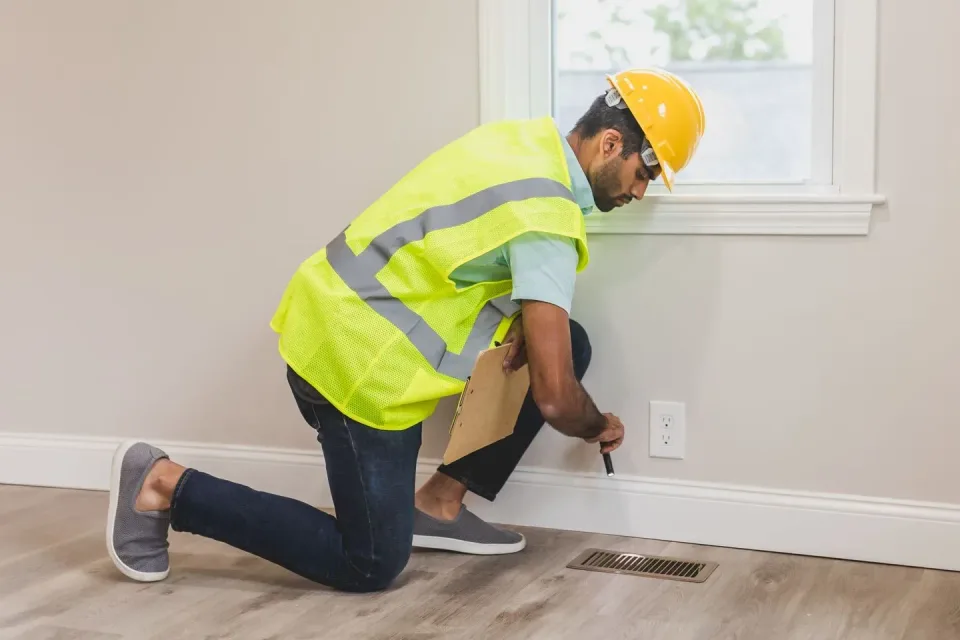
What Should Arkansas Homeowners Ask About Sentricon Baiting?
Mud tubes along your foundation call for an inspection and a clear explanation of treatment options. Ask how the technician will confirm subterranean termite activity, where stations would go, and what monitoring involves. Subterranean termite colonies may contain thousands to millions of termites, so a few visible signs can point to activity beyond the spot you can see.
A baiting plan needs a defined follow-up process. Arkansas Pest Pros explains inspection findings and treatment choices before recommending a plan for your property.
A local call we hear involves an owner of an apartment house looking for an estimate to address bed bugs; that is a separate pest issue and should receive its own inspection and scope. Around Crystal Bridges Museum of American Art in Bentonville, the humid subtropical climate statewide makes moisture-aware property checks useful.
What Does the Sentricon System Involve?
The Sentricon termite baiting system was introduced in 1995, but the important homeowner question is how the current plan will be fitted to the property. Ask the technician to show you the proposed station locations and explain how the system is intended to monitor termite activity.
A baiting approach focuses on stations; a liquid treatment instead creates a treated soil barrier. Neither choice should be made from a product name alone.
The inspection findings, access around the structure, and treatment objective should guide the recommendation.
At homes near the Arkansas State Capitol in Little Rock, we account for how frequent spring thunderstorms bring heavy rainfall when reviewing exterior conditions and station access. Ask what could interfere with access and how the plan addresses it. For signs such as mud tubes, our guide to termite tubes on Arkansas foundations explains why an inspection matters.
What Should an Arkansas Termite Inspection Cover?
A useful termite inspection checklist for Arkansas homeowners should prompt a technician to examine accessible foundation edges, areas with wood-to-soil contact, and visible signs of activity. Ask what was inspected, what could not be reached, and whether the findings support baiting or another method. A checklist is not a substitute for a property-specific explanation; the value is knowing what evidence was found and where.
If you are buying a house, ask whether a termite inspection before buying a home in Arkansas is included in the transaction requirements and what report the inspector will provide. An inspection can document observed conditions, but it cannot promise that every concealed area is free of termites. Keep the report with your purchase records and ask about limitations before relying on it.
When Should You Call a Pro Instead of DIY?
You can note visible clues and keep the area accessible, but do not treat suspected termite activity as a confirmed diagnosis. Call a professional when you see mud tubes, damaged wood, or other evidence and need someone to inspect the structure, explain the findings, and lay out appropriate options. A store-bought product applied without identifying the activity may leave the underlying issue unaddressed.
Arkansas termite regulations and licensing guide homeowners toward checking a provider’s qualifications before agreeing to pesticide work. Ask who will perform the inspection and treatment, and whether the person holds applicable credentials.
Our crew uses clear inspection findings to explain the proposed work rather than asking you to choose a method from a label alone. The University of Arkansas in Fayetteville is a familiar regional landmark; across the state, hot, humid summers can increase indoor pest activity, making a careful inspection more useful than guesswork.
What Questions Clarify the Treatment Plan?
Ask whether the provider recommends a termite baiting system or liquid treatment, what inspection evidence supports that choice, and how progress will be evaluated. Termite baiting centers on colony monitoring, while liquid treatment relies on a treated soil barrier; the distinction helps you understand what the technician will install and inspect. Ask for the scope in writing, including areas the crew could not access and any work you need to complete before service.
Our team at Arkansas Pest Pros discusses findings plainly and respects occupied homes while planning treatment. If you want background on selection and qualifications, read our Arkansas licensing guide. For a property-specific inspection, compare the written recommendation with what the technician actually observed.
Which Termite Treatment Option Fits Your Home?
The right option depends on what the inspection finds and whether the goal is monitoring or a soil treatment approach. These distinctions help you ask focused questions.
| Option | Best for | Key detail |
|---|---|---|
| Termite baiting system | Monitoring termite activity around a structure | Station spacing must follow the product label; ask how placements fit the property. |
| Subterranean termite liquid treatment | Creating a treated soil zone | The treatment trench must meet label-specified dimensions. |
| Wood-destroying insect inspection | Identifying evidence and documenting findings | Inspection finds evidence; it does not itself apply a control method. |
| Rodent exclusion and trapping | Addressing rodent access and activity | Mice can enter gaps around 1/4 inch; rats can use gaps around 1/2 inch. |
Ask who will perform pesticide work and confirm their credentials with the Arkansas State Plant Board, which handles pesticide licensing. Follow-up monitoring helps determine whether termite activity continues and should be explained before you approve the plan.
How Do You Prepare for Sentricon Baiting?
If you have noticed termite signs and are considering bait stations, start by arranging an inspection rather than moving or disturbing suspected activity. The technician should explain the proposed placements and what access is needed. Keep it simple.
-
Book an inspection: Describe the signs you have seen and ask what parts of the structure will be checked.
-
Ask about the estimate: A termite treatment cost estimator for homeowners should account for property size, proposed method, and the scope of work, not just a product name.
-
Compare methods: Ask how baiting and liquid treatment differ for your home and what findings support the recommendation.
-
Prepare access: Move stored items away from the areas identified for inspection or station placement.
-
Discuss placement: Ask where stations will be installed and how the crew will keep them accessible for planned service.
-
Confirm coordination: If an institution or property manager is involved, clarify who will provide access and approve work; Arkansas State University in Jonesboro is a local landmark, not a substitute for confirming site-specific arrangements.
-
Get the follow-up plan: Before work begins, ask what checks are planned and who to contact about access or scheduling.
FAQ Section
What If Sentricon Bait Stations Cannot Be Placed Around Part of My House?
If part of the structure is inaccessible, ask the technician to document that limitation and explain how it affects the proposed plan. A station location should follow product directions and site conditions; do not assume an uninspected area is covered.
How Long Does Sentricon Termite Baiting Take to Assess?
Bait activity may take weeks or months to assess, so ask what follow-up checks are planned and how results will be explained. Termite treatment is often estimated at $800–$3,000, with structure size and method affecting the quote.
Should I Try DIY Products Before Calling a Pro About Termite Baiting?
No, do not treat suspected termite activity as confirmed based only on a DIY product or a visible clue; arrange an inspection if you find signs such as a mud tube. Arkansas Pest Pros can inspect the property and explain whether baiting fits the findings.
What Arkansas Rules Should I Ask About for Sentricon Termite Baiting?
Ask whether the applicator follows the Arkansas Pesticide Use and Application Act and applicable Arkansas structural pest control licensing rules. FIFRA pesticide label directions and restrictions govern how the product is used, so ask how the proposed work follows its label.
Do I Need a Termite Inspection Before Choosing Sentricon Baiting?
A Termite Inspection helps document signs and accessible conditions before a treatment method is selected, and Arkansas homes face subterranean termite risk. Arkansas Pest Pros can explain the inspection findings and whether a separate treatment recommendation is appropriate.
Ready to Discuss Sentricon Baiting for Your Home?
The practical takeaway is to ask for evidence, station placement details, and a clear monitoring plan before approving termite baiting. Do not overlook prevention around the structure: sealing foundation cracks can reduce entry routes, while moisture control and crawl-space ventilation help address damp conditions that may affect wood.
If standing water is attracting mosquitoes, remove what you can and ask about separate mosquito control needs; fire ant mounds across the lawn also call for their own treatment plan. Cockroaches appearing after dark or bed bug bites after sleeping are separate concerns to report accurately during scheduling.
Near Fayetteville Square, local weather still calls for property-specific judgment; severe thunderstorms and tornadoes occur seasonally. For a home inspection and a plain explanation of options, contact Arkansas Pest Pros about Termite Inspection.
Services Offered
Services We Offer in Little Rock, AR
Explore related services available in Little Rock, AR.
Mosquito Control treats outdoor areas around homes; yard size and visit frequency shape typical $75–$150 service costs. Northern Arkansas cold and occasional ice storms can affect scheduling.
Cockroach Extermination targets roaches in kitchens, bathrooms, and utility spaces; typical treatment runs $100–$400 depending on infestation level and follow-up needs.
Rodent removal for homeowners and property managers covers indoor activity and contaminated cabinet areas; access and cleanup needs shape the job.
Liquid soil barriers and monitored bait stations that stop subterranean termites at the foundation, typically $800–$3,000 depending on structure size and treatment method.
Flea Treatment addresses activity in carpeted rooms and pet areas; typical U.S. service runs about $150–$400, depending on home size and treatment scope.
We remove accessible wasp nests from eaves, sheds, and other residential sites; height and safe ladder access affect typical $150–$500 jobs.
Spider Treatment targets indoor and exterior hiding places, including webbed eaves and porch corners; typical visits run $150–$500, depending on home size and access.
Fire ant treatment covering mound elimination, broadcast baiting, and follow-up checks for Arkansas lawns; cost depends on yard size and colony count.
Carpenter ant treatment locates and treats nests in damp framing, trim, and voids, plus moisture fixes to stop reinfestation; cost depends on nest access and how many colonies are active.
Bed bug treatment covering mattresses, box springs, furniture seams, and baseboard cracks, priced $300–$1,500 depending on rooms affected and infestation severity.
Kitchen and cabinet pantry moth treatment: inspection, targeted shelf treatment, and follow-up visits, priced by pantry size and infestation depth. Typical jobs run $100–$400 across Arkansas.
Cities & Towns
Service Areas in Little Rock
Select a city to find local pest control providers we cover in Little Rock.
Prairie Grove, AR72730Austin, AR72007Gassville, AR72635Newport, AR72112Barling, AR72923Wynne, AR72396Elm Springs, AR72762White Hall, AR71602Ozark, AR72949Osceola, AR72370Tontitown, AR72762Pocahontas, AR72455Marked Tree, AR72365Holiday Island, AR72631Danville, AR72833Sherwood, AR72120Hope, AR71801Springdale, AR72762Warren, AR71671Lincoln, AR72744Texarkana, AR71854Pea Ridge, AR72751Cabot, AR72023Salem, AR72019
Show all 149 cities
Star City, AR71667Lonoke, AR72086Morrilton, AR72110Berryville, AR72616Shannon Hills, AR72103Lavaca, AR72941Green Forest, AR72638Harrison, AR72601Maumelle, AR72113Lake City, AR72437Little Rock, AR72204De Queen, AR71832Mayflower, AR72106Johnson, AR72762Greenwood, AR72936England, AR72046Conway, AR72035Waldron, AR72958Manila, AR72442Cave Springs, AR72718West Fork, AR72774Melbourne, AR72556Kensett, AR72082Brinkley, AR72021Mountain Home, AR72653West Memphis, AR72301
Get a Quote
Get a Pest Control Quote in Little Rock, AR
Share job details below or call our team directly. Phone: (855) 681-0299