We inspect homes and buildings for termite activity and prepare reports; property size and report needs shape the typical $75–$200 fee. Spring storms can leave wet ground near Mississippi River State Park.
How to Treat Fire Ant Mounds Without Damaging Your Lawn
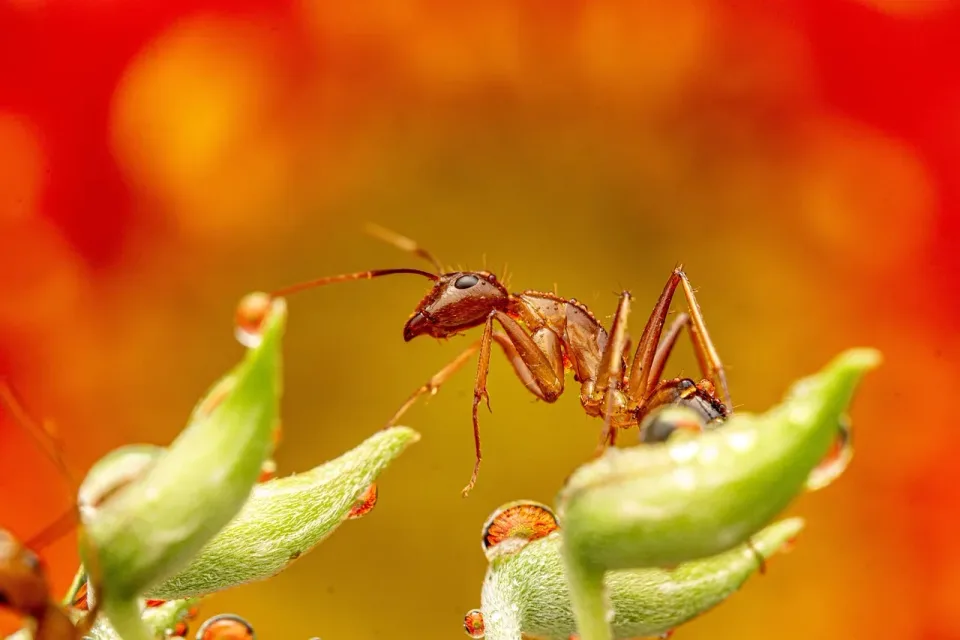
Fire Ant Mounds Across Your Lawn: Why Treatment Isn’t the Same as Termite Work
You spot the fresh pile of sandy soil the morning after spring rain fire ant mounds across lawn areas that were smooth a week ago. The short answer is that mounds can be treated without tearing up your grass, but the method matters.
Broadcast bait plus targeted mound work kills the colony below, while digging or drenching with the wrong product burns the turf and scatters workers to new territory. That matters here because our humid subtropical climate keeps colonies active much of the year, especially through hot, humid summers.
The same principle applies underground: a termite treated zone or a pre-construction treatment protects a structure with a soil barrier, not by destroying the yard above it. We treat the colony, not the lawn.
Why Not Just Pour Product on the Mound?
A fire ant mound is the soil cap a colony builds over its nest opening, and the ants you see are a fraction of what lives below. Treat the colony, not the dirt pile, and your lawn stays intact.
Start by identifying whether the mound is active gently check the edges in the morning; scattered dead workers mean the colony already moved. Fire ant control works best with bait stations placed around activity, because foraging workers carry the product down to the queen. That takes patience: bait activity may take weeks to show full results.
Most homeowners overdo it. A heavy drench floods the tunnel network, the colony bolts, and you get three new mounds along the fence line within a week. We see this repeatedly on fire ant mound treatment calls around Little Rock the lawn gets soaked with product, the grass yellows, and the ants win. A light, label-directed approach beats a soaking every time.
What Should You Prepare Before a Fire Ant Treatment?
Preparation is simple but people skip it. Know how to prepare for pest control treatment by mowing a day or two before, watering lightly so bait sits on moist soil, and keeping kids and pets off treated areas until the label says re-entry is safe. Turn off irrigation during application water too soon washes bait away.
-
Confirm activity: Flag every active mound before treatment begins.
-
Clear the area: Move toys, pet bowls, and grills off the lawn.
-
Skip the mow after: Fresh bait needs a few days undisturbed.
-
Note irrigation zones: We work around sprinkler heads and wells.
When Should You Call a Pro Instead of DIY?
Yes, DIY works for a few mounds in a spot-treatment situation using store bait, applied exactly per the label. Call a professional when mounds keep reappearing, when they cluster near play areas or pet runs, or when the property is large enough that broadcast baiting makes sense. For fire ant treatment, Little Rock homeowners with half-acre lots usually save money and turf with one properly timed professional program rather than repeated store-bought rounds.
How Does Our Climate Affect Timing?
Arkansas sits inland, without coastal climate patterns, and our frequent spring thunderstorms bring heavy rainfall that pushes colonies to rebuild and swarm. Apply bait after rain passes and soil is moist, then avoid mowing for several days.
Whether you live near Downtown Bentonville Square or along the Tree Streets in Little Rock, timing around weather matters more than brand choice. If you’re also seeing other ant species, our carpenter ant treatment page covers the wood-nesting type that behaves differently. A full ant treatment plan accounts for both.
Which Fire Ant Control Option Is Right for Your Yard?
Choosing between broadcast bait, mound drench, and a full professional program comes down to how much area you’re protecting and how fast you need results. Correct pest identification before treatment selection is the step that saves the most money treating a harvester ant or pavement ant colony as fire ants wastes product and time. Here’s how the main options compare.
| Option | Best for | Key detail |
|---|---|---|
| Broadcast fire ant bait | Large lawns, whole-property control | Slow acting expect weeks, minimal turf impact |
| Individual mound drench | 1–3 isolated mounds | Label-directed volume only; over-soaking burns grass |
| Combination program | Recurring mound activity | Bait plus targeted mound work on a seasonal schedule |
| Professional Fire Ant Treatment | Properties near play areas, large acreage | Licensed applicators use EPA-registered products applied according to label |
| Do-it-yourself granules | Small, light infestations | Store products have limited access vs. professional-use formulations |
Match the method to the yard, not the shelf. We build treatment maps and inspection findings into every job so repeat visits target what actually moved.
What Steps Should You Follow Before and After Fire Ant Mound Treatment
Preparation takes an hour and protects both the turf and the treatment. The list below reflects what our crew asks of homeowners on every lawn-service visit Arkansas lawns respond differently than coastal yards because Arkansas is inland, without coastal climate patterns, so soil moisture swings fast between spring storms and summer heat.
-
Confirm visible activity: Check mound edges in the morning so live workers confirm which nests are active.
-
Clear access to baseboards and inspection areas: On combined indoor-outdoor visits, move furniture and stored items so technicians can inspect wall lines too.
-
Secure pets and cover aquariums: Keep animals indoors and tanks covered until applications are dry.
-
Mark irrigation and wells: Identify wells, drains, and sensitive habitats so products stay out of water sources.
-
Schedule re-entry per the label: Stay off treated grass for the interval printed on the EPA product label, not the hour after.
-
Keep records: We maintain audit-ready treatment records dates, products, and rates useful if you sell the home or need warranty proof.
-
Book the follow-up: Arrange follow-up inspection when indicated so new colony movement gets caught early.
FAQ Section
Will Fire Ant Mound Treatment Kill the Grass Over the Mound?
No, not when applied at label rates. A properly dosed bait or light drench targets the colony underground, and the turf usually recovers as the soil cap settles. Turf damage typically comes from over-applying store drenches, which we see on lawns across Little Rock every summer.
How Long Does Fire Ant Bait Take to Work on Arkansas Lawns?
Most bait programs need two to four weeks for workers to carry the product to the queen, with full mound collapse sometimes taking longer in cooler months. We schedule a follow-up inspection to confirm the colony is gone rather than guessing.
Can I Treat Fire Ant Mounds Myself, OR Should I Call Arkansas Pest Pros?
Yes, DIY bait works for a handful of isolated mounds if you follow the product label exactly and avoid mowing or irrigating right after. Call us when mounds keep reappearing, cluster near play areas, or cover a large yard a licensed program with broadcast baiting usually costs less than repeated store-bought rounds.
Are the Products Used for Fire Ant Treatment in Arkansas Regulated?
Yes, every product is registered with the EPA under FIFRA and applied under the Arkansas Pesticide Use and Application Act by technicians licensed through the Arkansas State Plant Board. Our crew follows the Arkansas structural pest control licensing rules and label directions for rates, re-entry intervals, and application sites on every job.
Do I Also Need Perimeter Treatment If Fire Ants Keep Getting Indoors?
Yes, a perimeter treatment helps when ants move from lawn mounds into the house during heavy rain or drought. It creates a labeled barrier around the foundation while the mound program eliminates the source. If you’re also seeing spiders or fleas in the yard, we can fold spider treatment or flea treatment into the same visit.
Ready to Reclaim Your Lawn from Fire Ants?
The takeaway is simple: bait the colony, skip the over-soak, and time applications around rain so your grass survives alongside the ants. Homeowners often confuse fire ant mounds with carpenter ants carpenter ants don’t build soil mounds, and their control depends on finding damp wood and wood-to-soil contact near the structure instead of treating the lawn.
Aerosol crack-and-crevice treatments handle carpenter ants indoors, while fire ants need bait different ants, different tools. Termiticide application rates follow product-label directions too, so whether it’s ants or termites, the label decides the dose.
If mounds keep returning or the colony has spread past a spot treatment, Arkansas Pest Pros’ fire ant treatment program handles the full yard on a seasonal schedule. Call (855) 681-0299 for a quote, or reach us through the contact page we’ll walk the lawn with you first.
Services Offered
Services We Offer in Little Rock, AR
Explore related services available in Little Rock, AR.
Mosquito Control treats outdoor areas around homes; yard size and visit frequency shape typical $75–$150 service costs. Northern Arkansas cold and occasional ice storms can affect scheduling.
Cockroach Extermination targets roaches in kitchens, bathrooms, and utility spaces; typical treatment runs $100–$400 depending on infestation level and follow-up needs.
Rodent removal for homeowners and property managers covers indoor activity and contaminated cabinet areas; access and cleanup needs shape the job.
Liquid soil barriers and monitored bait stations that stop subterranean termites at the foundation, typically $800–$3,000 depending on structure size and treatment method.
Flea Treatment addresses activity in carpeted rooms and pet areas; typical U.S. service runs about $150–$400, depending on home size and treatment scope.
We remove accessible wasp nests from eaves, sheds, and other residential sites; height and safe ladder access affect typical $150–$500 jobs.
Spider Treatment targets indoor and exterior hiding places, including webbed eaves and porch corners; typical visits run $150–$500, depending on home size and access.
Fire ant treatment covering mound elimination, broadcast baiting, and follow-up checks for Arkansas lawns; cost depends on yard size and colony count.
Carpenter ant treatment locates and treats nests in damp framing, trim, and voids, plus moisture fixes to stop reinfestation; cost depends on nest access and how many colonies are active.
Bed bug treatment covering mattresses, box springs, furniture seams, and baseboard cracks, priced $300–$1,500 depending on rooms affected and infestation severity.
Kitchen and cabinet pantry moth treatment: inspection, targeted shelf treatment, and follow-up visits, priced by pantry size and infestation depth. Typical jobs run $100–$400 across Arkansas.
Cities & Towns
Service Areas in Little Rock
Select a city to find local pest control providers we cover in Little Rock.
Cabot, AR72023Bono, AR72416Salem, AR72019Lake Village, AR71653Brookland, AR72417DeWitt, AR72042Clarksville, AR72830Cherokee Village, AR72529Shannon Hills, AR72103Carlisle, AR72024Haskell, AR72015Elkins, AR72701Mayflower, AR72106Bentonville, AR72712Camden, AR71701Bryant, AR72022Booneville, AR72927Pottsville, AR72858Prairie Grove, AR72730Bald Knob, AR72010Wynne, AR72396Beebe, AR72012Pea Ridge, AR72751Ozark, AR72949
Show all 149 cities
Mountain View, AR72560Rogers, AR72758Alexander, AR72002Prescott, AR71857Walnut Ridge, AR72476Benton, AR72015Atkins, AR72823Goshen, AR72703Judsonia, AR72081Brinkley, AR72021Blytheville, AR72315Marion, AR72364Heber Springs, AR72543Searcy, AR72143Bay, AR72411Piggott, AR72454Gassville, AR72635Berryville, AR72616Manila, AR72442Conway, AR72035Leachville, AR72438El Dorado, AR71730Siloam Springs, AR72761Lavaca, AR72941Tontitown, AR72762Bella Vista, AR72715
Get a Quote
Get a Pest Control Quote in Little Rock, AR
Share job details below or call our team directly. Phone: (855) 681-0299