We inspect homes and buildings for termite activity and prepare reports; property size and report needs shape the typical $75–$200 fee. Spring storms can leave wet ground near Mississippi River State Park.
How Arkansas Structural Pest Control Licensing Rules Help You Choose a Provider
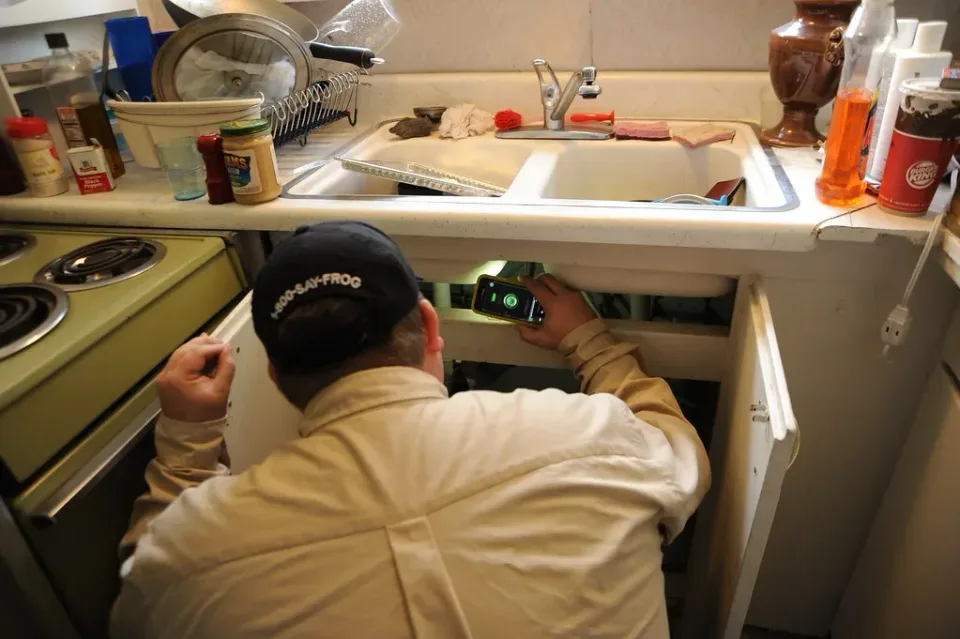
What Do Arkansas Licensing Rules Actually Guarantee You?
You spot termite mud tubes along your foundation and the first company that answers the phone shows up with a sprayer. Licensing is what separates a trained structural pest control operator from a neighbor with store-bought product. Under Arkansas structural pest control licensing rules, anyone applying pesticides in a residential pest control project must hold credentials issued through the Arkansas Department of Agriculture, and those applicators are accountable to the Arkansas State Plant Board.
Do it yourself pest control handles a few ants on the counter, but a termite or bed bug problem usually needs professional-use products applied at label-specified rates. At Arkansas Pest Pros, we hold Arkansas Department of Agriculture pesticide applicator licensing, and we put our inspection findings in writing before any treatment gets quoted.
Who Regulates Pest Control Companies in Arkansas?
Licensing rules exist because pesticide work is regulated work. In Arkansas, the Arkansas Pesticide Use and Application Act governs how commercial applicators are trained, tested, and supervised, and the Arkansas State Plant Board enforces those standards.
When you hire a licensed company for a pest control service plan, you are hiring someone who must follow FIFRA pesticide label directions and restrictions meaning the product has to be applied at the labeled rate, on the labeled pest, in the labeled location. That matters more than any advertisement.
Two agencies share the job. The United States Environmental Protection Agency registers pesticide products and approves their labels, while the Arkansas State Plant Board handles licensing, inspections, and complaints for structural pest control companies operating in the state. OSHA rules also apply to the crew side technicians work under the OSHA Hazard Communication Standard and, when respirators are required, the Respiratory Protection Standard.
For you as a homeowner, that stack of oversight means a licensed operator can be held accountable if a treatment goes wrong. Ask any company you interview for their applicator license number and their general liability insurance certificate. We provide both without being asked twice.
Does Licensing Matter More Than a Cheap Quote?
Yes a low quote from an unlicensed operator can cost you far more than the treatment itself. A professional pest control vs DIY treatment comparison usually comes down to access and accuracy: licensed applicators can buy and correctly apply professional-use termiticides, and they know the label-specified trench dimensions and application rates that make a treated zone work. An unlicensed person has none of that training, and if they over-apply or misapply, you carry the consequences.
There is also an honest DIY boundary. Sealing a mouse entry gap of about 1/4 inch with steel wool? Reasonable weekend work. Treating a subterranean termite colony that may contain thousands to millions of workers? That needs a licensed pro and a documented plan.
What Should a Licensed Provider Offer Beyond the Spray?
A license is the floor, not the finish line. When you compare companies, look for a written pest control service plan that spells out what gets treated, what does not, and what the follow-up schedule looks like. No-contract pest control is a fair ask too a company confident in its work does not need to trap you into a multi-year agreement sight unseen.
Also ask about pest control alternatives. Baiting systems, exclusion work, and moisture correction can sometimes reduce chemical dependence, and a licensed operator should be able to explain when each fits. Our crew walks every job first, documents inaccessible areas, and gives you the trade-offs in plain language before you commit.
How Does Arkansas’s Climate Shape the Work?
Arkansas is inland, without coastal climate patterns, but our weather still keeps pest pressure high. Hot, humid summers push insects toward cooled homes, and wet springs can trigger termite swarming across the state.
From farms near the Arkansas Post Museum in Gillett to subdivisions along Interstate 40 across Arkansas, subterranean termites remain the state’s costliest structural pest. A licensed company understands these seasonal patterns and times treatments accordingly which is exactly why the pest control industry requires tested, credentialed applicators rather than guesswork.
If you want a starting point, our Arkansas Pest Pros team can walk you through what a proper inspection covers, and our Termite Treatment page explains the methods we recommend most.
Which Treatment Option Fits Your Licensed Provider’s Plan?
A licensed applicator should match the method to the pest, the structure, and the label not sell you whatever is on the truck. Whether you live near the University of Arkansas, Fayetteville or off Interstate 40 across Arkansas, the core options below cover most residential pest treatment and pest control situations, including mosquito control and spider control for homes. Any provider should hand you a pest control treatment preparation guide before the appointment, so you know exactly what happens next.
| Option | Best for | Key detail |
|---|---|---|
| Termite baiting system | Ongoing colony control with less drilling | Bait stations spaced per product label; needs scheduled monitoring |
| Liquid soil treatment | Fast barrier against subterranean termites | Trench dug to label-specified dimensions; treated zone per label rate |
| Rodent exclusion and trapping | Mice and rats entering the structure | Mouse gaps are about 1/4 inch; rat gaps about 1/2 inch |
| Bed bug heat treatment | Whole-room infestations, minimal chemical use | Heat targets often 120°F or higher throughout the space |
| Mosquito barrier treatment | Yards with breeding sites nearby | Best paired with removing standing water between visits |
Ask the company you hire to explain why the chosen option beats the alternatives for your property.
How Do You Prepare for a Licensed Pest Control Visit?
Say you called after finding roaches appearing after dark in your kitchen, and the appointment is set for tomorrow. Preparation is straightforward, but the steps people skip are usually the ones that shorten a treatment’s life.
Hot, humid summers increase indoor pest activity across the state, so a thorough job-site pest inspection matters whether you are in Little Rock near the Arkansas State Capitol or up north, where Northern Arkansas typically sees colder winter temperatures that still leave pests looking for shelter. A solid pest management plan starts before the technician arrives.
-
Confirm activity: Note where you have seen pests, droppings, or damage, and which rooms are affected.
-
Clear access: Move stored items away from baseboards, under-sink cabinets, and treatment areas.
-
Protect pets and occupants: Secure pets and cover aquariums before any label-directed application.
-
Flag sensitive spots: Point out wells, drains, and sensitive habitats so the technician can plan around them.
-
Get prep instructions in writing: A licensed provider gives you treatment prep steps before the appointment.
-
Plan follow-up: Schedule re-entry per the product label and book any follow-up inspection the plan calls for.
If a company skips the written prep and follow-up discussion, keep shopping.
FAQ Section
What Happens If I Hire an Unlicensed Pest Control Company in Arkansas?
You lose the accountability that Arkansas licensing rules provide. Under the Arkansas Pesticide Use and Application Act, the Arkansas State Plant Board licenses and disciplines structural pest control applicators, so a complaint against a licensed company can trigger an investigation. An unlicensed operator answers to nobody, and a misapplied termiticide or banned product can leave you with contamination and no recourse.
How Much Does a Termite Treatment Cost from a Licensed Arkansas Provider?
Termite treatment typically runs $800–$3,000, with structure size and treatment method as the main cost drivers. A termite inspection alone usually costs $75–$200 depending on property size and whether you need a written wood-destroying insect report. Subterranean termite colonies may contain thousands to millions of workers, which is why bait stations need ongoing monitoring rather than a one-and-done visit. We quote after inspecting, not before.
Can I Handle Termite Mud Tubes Along My Foundation Myself?
Yes, you can break open a tube to check for active workers, but treating the colony is a professional job. Liquid soil treatments require trenching to label-specified dimensions and applying termiticide at rates set by EPA pesticide product labels under FIFRA work reserved for licensed applicators. If the tubes rebuild within days, call Arkansas Pest Pros for a documented inspection and treatment plan.
Do Pest Control Applicators in Arkansas Have to Follow Specific Federal Rules?
Yes licensing ties applicators to both state and federal requirements. The Arkansas Pesticide Use and Application Act and Arkansas structural pest control licensing rules are enforced through the Arkansas State Plant Board and the Arkansas Department of Agriculture, while FIFRA pesticide label directions and EPA pesticide registration requirements govern how each product is applied. Technicians also work under OSHA’s Hazard Communication and Respiratory Protection standards when the job calls for it.
Should I Ask a Pest Control Company About Rodent Exclusion Before Signing Anything?
A licensed company should show you where the gaps are, document any inaccessible areas, and schedule a follow-up inspection. Ask Arkansas Pest Pros for that walkthrough before you commit to any plan.
Ready to Hire a Licensed Arkansas Pest Control Team?
The takeaway is simple: verify the license, ask for the plan in writing, and treat red flags no insurance certificate, no follow-up schedule as reasons to walk. Arkansas homes face real termite risk, winged swarmers emerge most often during spring, and annual inspections can catch new activity before termite damage hides behind finished surfaces. Our crew maintains Arkansas Department of Agriculture pesticide applicator licensing, general liability insurance, and National Pest Management Association membership, and we serve homeowners from Southern Arkansas, where milder winters keep some pests active, to the Arkansas State University area in Jonesboro.
-
Check credentials: Confirm the applicator license and insurance before scheduling.
-
Get the plan: Ask what gets treated, at what label rate, and what follow-up looks like.
-
Book an inspection: Start with a documented inspection, not a sales pitch.
Call Arkansas Pest Pros at (855) 681-0299 or start with our Termite Inspection service to see exactly what a licensed inspection includes.
Services Offered
Services We Offer in Little Rock, AR
Explore related services available in Little Rock, AR.
Mosquito Control treats outdoor areas around homes; yard size and visit frequency shape typical $75–$150 service costs. Northern Arkansas cold and occasional ice storms can affect scheduling.
Cockroach Extermination targets roaches in kitchens, bathrooms, and utility spaces; typical treatment runs $100–$400 depending on infestation level and follow-up needs.
Rodent removal for homeowners and property managers covers indoor activity and contaminated cabinet areas; access and cleanup needs shape the job.
Liquid soil barriers and monitored bait stations that stop subterranean termites at the foundation, typically $800–$3,000 depending on structure size and treatment method.
Flea Treatment addresses activity in carpeted rooms and pet areas; typical U.S. service runs about $150–$400, depending on home size and treatment scope.
We remove accessible wasp nests from eaves, sheds, and other residential sites; height and safe ladder access affect typical $150–$500 jobs.
Spider Treatment targets indoor and exterior hiding places, including webbed eaves and porch corners; typical visits run $150–$500, depending on home size and access.
Fire ant treatment covering mound elimination, broadcast baiting, and follow-up checks for Arkansas lawns; cost depends on yard size and colony count.
Carpenter ant treatment locates and treats nests in damp framing, trim, and voids, plus moisture fixes to stop reinfestation; cost depends on nest access and how many colonies are active.
Bed bug treatment covering mattresses, box springs, furniture seams, and baseboard cracks, priced $300–$1,500 depending on rooms affected and infestation severity.
Kitchen and cabinet pantry moth treatment: inspection, targeted shelf treatment, and follow-up visits, priced by pantry size and infestation depth. Typical jobs run $100–$400 across Arkansas.
Cities & Towns
Service Areas in Little Rock
Select a city to find local pest control providers we cover in Little Rock.
Brookland, AR72417Newport, AR72112Gentry, AR72734Paris, AR72855Jacksonville, AR72099Barling, AR72923Little Flock, AR72756Danville, AR72833Osceola, AR72370Lincoln, AR72744West Memphis, AR72301Mayflower, AR72106Bald Knob, AR72010Russellville, AR72801Hot Springs Village, AR71909Sherwood, AR72120Cave Springs, AR72718Arkadelphia, AR71999Booneville, AR72927Alexander, AR72002Pottsville, AR72858Ward, AR72007Lake Hamilton, AR71913Pea Ridge, AR72751
Show all 149 cities
Green Forest, AR72638Johnson, AR72762England, AR72046Brinkley, AR72021Waldron, AR72958Harrison, AR72601Hot Springs, AR71913Maumelle, AR72113Lonoke, AR72086De Queen, AR71832Bella Vista, AR72715Kensett, AR72082Berryville, AR72616Siloam Springs, AR72761Prairie Creek, AR72756Warren, AR71671Piney, AR71913Mena, AR71953El Dorado, AR71730Cherokee Village, AR72529Gassville, AR72635Trumann, AR72472Pocahontas, AR72455Leachville, AR72438Blytheville, AR72315Malvern, AR72104
Get a Quote
Get a Pest Control Quote in Little Rock, AR
Share job details below or call our team directly. Phone: (855) 681-0299